
Optimizing Transport and Logistics in Emerging Markets: Challenges and Solutions
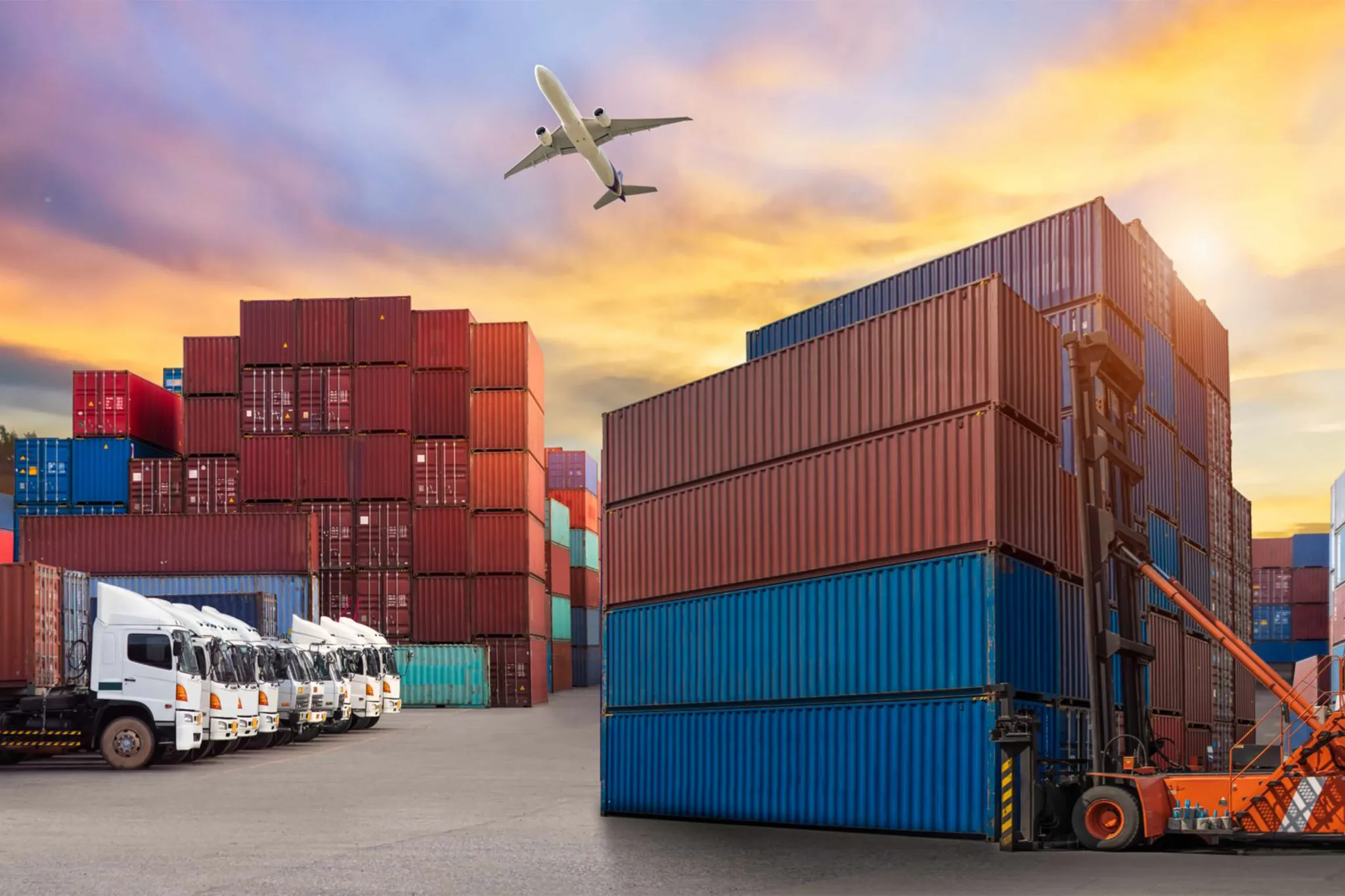
Optimizing Transport and Logistics in Emerging Markets: Challenges and Solutions
As globalization deepens and e-commerce surges, emerging markets are becoming vital nodes in the world’s logistics network. However, while these regions present vast opportunities, they also face persistent infrastructure and operational challenges. For companies like WIL Prime Global Ltd., optimizing transport and logistics in these fast-evolving environments is not just a business function—it’s a strategic imperative.
🚛 Why Transport & Logistics Matter in Emerging Markets
Efficient transport and logistics systems are critical to the economic development of emerging economies. They enable:
-
Market access for local producers
-
Supply chain stability for international companies
-
Reduced product costs for consumers
-
Job creation and regional integration
However, unlocking these benefits requires navigating a unique set of obstacles.
⚠️ Top Challenges in Emerging Market Logistics
1. Underdeveloped Infrastructure
Many regions lack modern roads, rail networks, and port facilities. This leads to longer transit times, higher fuel costs, and unreliable delivery schedules.
2. Regulatory and Bureaucratic Barriers
Inconsistent policies, customs delays, and corruption can significantly hinder cross-border operations, affecting everything from import/export timelines to inventory planning.
3. Fragmented Supply Chains
Small-scale suppliers, limited warehousing, and poor information sharing contribute to inefficiency and lack of visibility across the logistics network.
4. Limited Technology Adoption
Digital transformation is uneven. While large players may use advanced logistics tech, many smaller operators still rely on manual or outdated systems.
5. Security & Risk Management
Cargo theft, political instability, and natural disasters pose real threats in some regions, requiring robust risk management and contingency planning.
✅ Solutions: How WIL Prime Global Is Driving Progress
At WIL Prime Global Ltd., we see these challenges not as barriers—but as opportunities to build better systems from the ground up. Our logistics strategy focuses on innovation, partnership, and long-term investment.
1. Investing in Infrastructure
We partner with local governments and private entities to co-develop roads, storage hubs, and intermodal transport facilities in key regions. These investments improve delivery times and reduce logistical bottlenecks.
2. Digitizing the Supply Chain
We deploy real-time tracking systems, digital freight platforms, and AI-powered logistics planning tools to improve operational visibility and efficiency—especially in last-mile delivery.
3. Building Local Capacity
Through training programs and technology sharing, we empower local operators, transporters, and warehouse teams to modernize their processes and scale sustainably.
4. Sustainable Logistics
Our logistics network prioritizes low-emission vehicles, optimized route planning, and green warehouses—minimizing environmental impact while improving efficiency.
5. Risk-Responsive Operations
We utilize scenario planning and dynamic rerouting to adapt to political disruptions, extreme weather, or supply shocks—keeping goods moving even in volatile regions.
🌍 Case in Point: A Logistics Transformation in West Africa
In one of our flagship projects in West Africa, WIL Prime Global helped modernize a regional logistics corridor by:
-
Paving 120+ km of critical trade roads
-
Setting up smart warehouses near key ports
-
Training over 500 local logistics personnel
-
Reducing delivery lead times by 45%
This integrated approach didn’t just improve business—it boosted local employment, trade volumes, and community development.
🔄 Looking Ahead
By 2030, over 60% of global population growth will come from emerging markets. These regions will be essential to global supply chains, but only if logistics infrastructure and systems keep pace.
At WIL Prime Global, we’re not waiting for the future—we’re building it. We believe that logistics is the backbone of opportunity, and optimizing it in emerging markets is key to equitable global growth.
📌 Conclusion
Transport and logistics in emerging markets present complex challenges—but also immense potential. With the right blend of innovation, local engagement, and sustainable investment, these regions can become powerful engines of growth.
WIL Prime Global Ltd. is proud to be a catalyst for that transformation—delivering solutions that move not just products, but entire economies forward.